All Categories
Featured


New Enterprise Innovation Cycles for 2026
Table of Contents
Author: Jessie JacksonJessie Jackson is a Senior Specialist, Practice Lead in OSF Digitals Technique group. She has 20+ years of experience as an omnichannel digital commerce magnate in the D2C market. Jessie assists OSF customers with tactical planning, business leadership and producing remarkable client experiences.
: it has to do with reassessing how value is provided. It involves automation, data, AI, and cloud to improve organization operations. Whether enhancing consumer experience or updating infrastructure, the best roadmap differs by organization and market. From logistics automation to virtual healthcare, improvement can drive both development and effectiveness. Worldwide digital improvement costs is anticipated to reach $4 trillion by 2027.
Why High-Performance Innovation Hubs Drive Enterprise GrowthIn this short article, we'll explore how businesses are welcoming digital transformation, where initiatives are focused, and why it stays a top priority for organizations seeking to remain competitive in a progressively hectic, tech-driven world. Digital change includes making use of the most current digital innovations to essentially improve how a service operates. While digital change became a mainstream organization important in the 2010s, the roots go further back, starting with digitization in the 1980s and '90s.
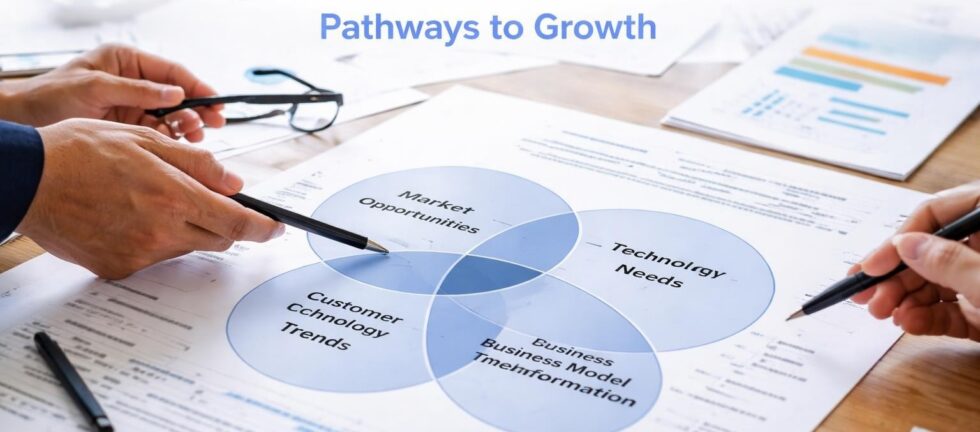
Technical Roadmaps for Managing Distributed Hubs
The term "digital change" itself started acquiring traction around 2011, when it was utilized to explain the wider organizational impact of technology shifts. However true digital improvement goes beyond IT upgrades or updating existing workflows. It uses cutting-edge technologies to reimagine those processes totally, opening brand-new types of value for clients and driving long-term growth.
Let's clarify with an example from customer service: Expect a company moves from phone-based assistance to email or introduces a chatbot for after-hours inquiries. These are: utilizing technology to improve an existing procedure. In contrast,. Imagine that same business embracing a fully automated, AI-powered support group. This new system delivers 24/7 individualized service throughout channels like chat, e-mail, and mobile apps.
Digital change fundamentally alters the nature of support, making it more ingenious, personal, and always available. That's digital change: an essential shift in how worth is provided through technology. The plan for digital transformation varies widely depending on a business's size, industry, and goals. With emerging technologies and moving client expectations, there's no set formula.
Most digital change efforts concentrate on these crucial locations: Automated workflows replace manual procedures, minimizing mistakes, increasing effectiveness, and enabling workers to focus on higher-value jobs. Continually reassessing how worth is provided by simplifying digital journeys, speeding up assistance, and individualizing experiences throughout all channels. Legacy systems often sluggish development.
Real-time information and analytics provide insights into performance and consumer behavior, making it possible for smarter, faster decisions. Unifying platforms and procedures break down department silos, enhances partnership, and gives management a thorough view of operations.
A Comprehensive Modern Enterprise Transformation Guide
According to Harvard Business Review, effective digital improvement tends to include five interconnected components:: Getting the best management, culture, and skill in place.: Gathering clean, high-quality data throughout systems.: Turning that data into functional insights through analytics.: Operationalizing insights throughout workflows, systems, and decisions.: Measuring results and refining strategies based on efficiency.
Other reputable frameworks, like McKinsey's 7S design or BCG's Digital Acceleration Index, also highlight the significance of aligning method, structure, and individuals to drive significant change. The precise framework matters less than ensuring all elements of the organization are lined up and evolving together. The 5 primary components of digital improvement include people, data, insights, action and outcomes.
Here are some particular real-world advantages can you expect: Leveraging the most recent innovations enables you to reassess your entire organization design. Early adoption or pioneering new tools can assist you approach difficulties in distinct methods, grow market share, and stay ahead while rivals are still capturing up. Digital change allows you to enhance the consumer journey from start to complete.

Automating manual tasks improves workflows, reduces mistakes, and releases workers to concentrate on higher-value work. These effectiveness result in cost savings through much better resource allowance, fewer traffic jams, and, in many cases, reduced staffing needs. Real-time information and incorporated systems provide teams with enhanced exposure, permitting your business to react and adapt rapidly to market modifications, consumer needs, or internal difficulties.
Essential Operational Insights for Building Innovation
Adopting innovative innovation is pricey, particularly when establishing brand-new services. A total overhaul of existing processes can create authentic unpredictability for workers.

Latest Posts
How Enterprise R&D Labs Sustain Transformation

Optimizing Hybrid Systems in Global R&D

A Comprehensive Digital Transformation Guide for 2026